
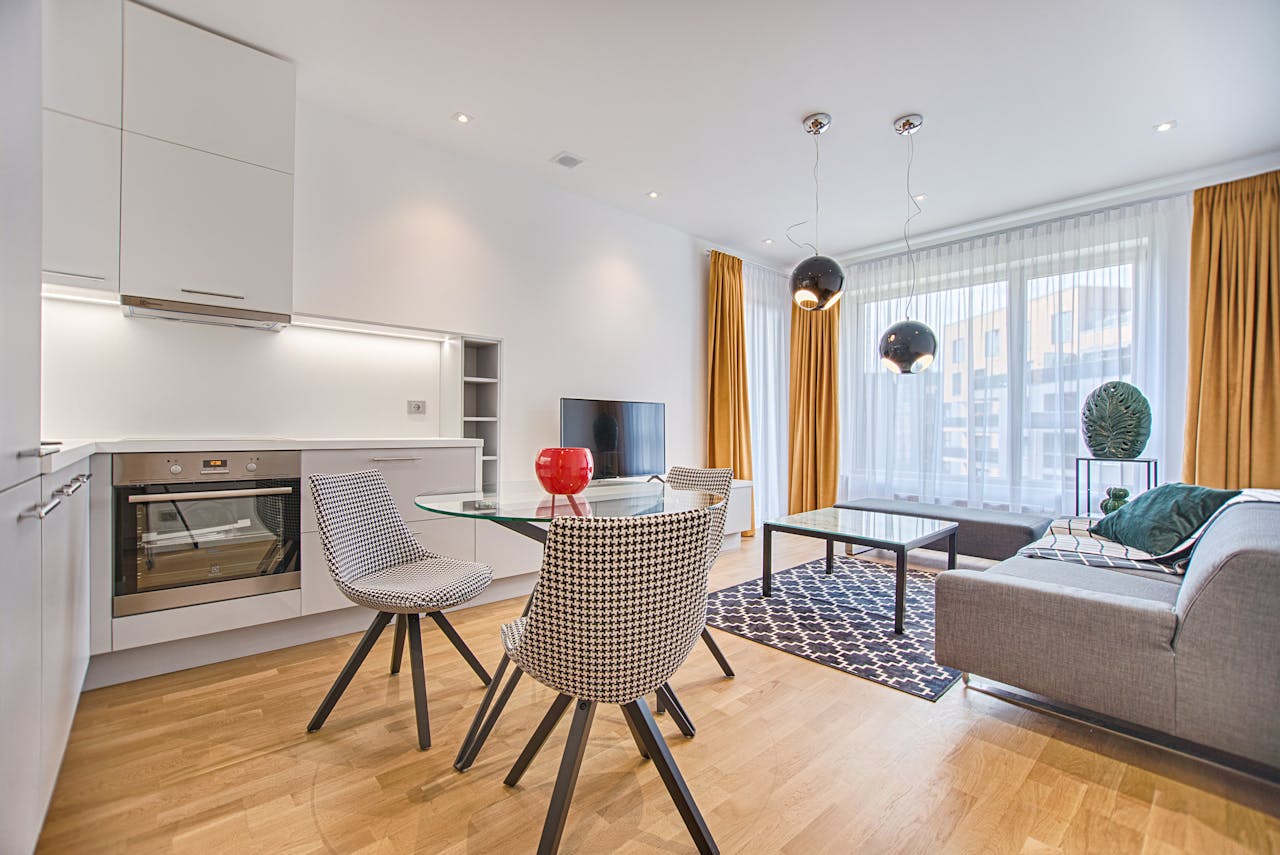
Elegant interiors sound great on paper. In real life ? They can slip into that awkward zone where everything feels stiff, cold, a bit… show-off. You know the vibe : cushions you’re scared to sit on, marble everywhere, silence that echoes. Honestly, not the dream. The real challenge is creating a space that feels refined and lived-in. Stylish, yes. But not screaming “I spent too much money and now I regret it”.
I’ve seen it happen so many times. People get inspired by glossy photos, hotel lobbies, or ultra-polished villas (and yeah, scrolling through sites like https://www.villa-de-luxe.net can really mess with your sense of reality), then try to recreate that mood at home. The result ? A space that looks expensive… and feels weirdly empty. So let’s talk about how to avoid that trap.
Elegance starts with restraint (not with price tags)
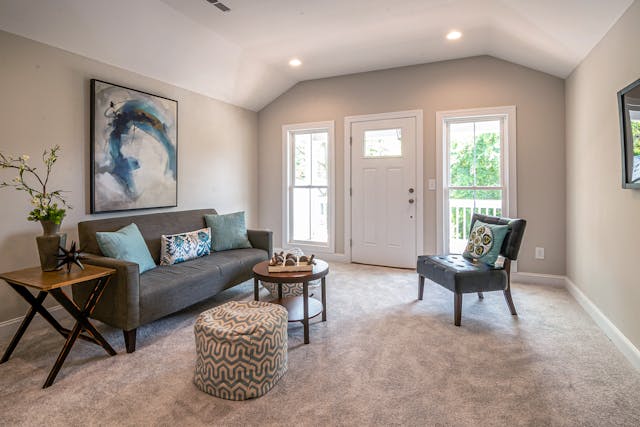 This might sound boring, but it’s actually freeing : elegance has very little to do with luxury brands. It’s more about restraint. Knowing when to stop. Choosing one strong piece instead of five average ones.
I once visited a flat in East London. White walls, oak floors, one beautiful linen sofa, slightly wrinkled. No gold, no marble, no designer labels in sight. And yet, it felt incredibly chic. Why ? Because nothing was trying too hard. Everything had space to breathe.
Ask yourself this : does this object add something, or is it just filling a gap ? If it’s the second… maybe skip it.
Materials matter more than shine
Here’s where people often go wrong. They think “luxury” equals shiny. Glossy surfaces, polished metals, reflective everything. And honestly ? That’s usually what tips a room into “too much”.
Natural materials are your best friends here. Wood with visible grain. Stone that isn’t perfectly smooth. Linen, wool, cotton that you can actually feel under your fingers. These textures soften a space instantly.
And yes, they age. But that’s the point. A table that gets a small scratch over time feels more elegant than one that looks frozen forever.
Neutral doesn’t mean boring (if you do it right)
I love neutrals. But I’ll be the first to say it : an all-beige room can feel flat fast. The trick isn’t adding colour everywhere. It’s adding variation.
Warm white next to creamy white. Soft greige against light taupe. Different finishes, different depths. It’s subtle, almost invisible at first, but your brain feels it.
And if you’re scared ? Start small. A cushion. A throw. Something you can move if it feels wrong. No drama.
Imperfection is what makes a space feel human
This is probably my favourite part. A room that’s too perfect doesn’t feel elegant to me. It feels staged. Like no one actually lives there.
Leave a book slightly open on the coffee table. Hang art that isn’t perfectly centred (yes, really). Mix an old chair with a newer one. These tiny “mistakes” make a space warm.
Perfection is impressive. Imperfection is inviting.
Lighting : the silent game changer
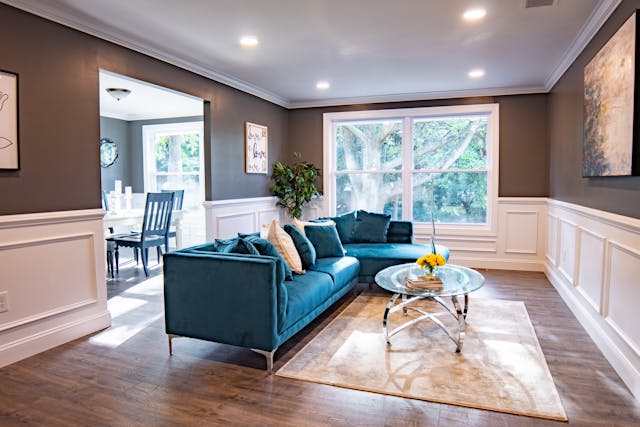 Nothing kills elegance faster than harsh lighting. One strong ceiling light, full blast, every evening ? Nope.
Think layers. A floor lamp in the corner. A table lamp with a soft bulb. Maybe a wall light that creates shadows. Light should make you feel calm, not interrogated.
Quick test : if you’d hate that lighting in a café, you probably won’t love it at home either.
Elegance should feel effortless, not intimidating
At the end of the day, an elegant interior isn’t about impressing guests. It’s about how you feel when you walk in after a long day. Do you relax ? Do you breathe out a bit ?
If the answer is yes, you’re doing it right. Even if the sofa isn’t designer. Even if the rug isn’t perfect. Maybe especially because of that.
So go slow. Trust your gut. And remember : real elegance whispers. It never shouts.